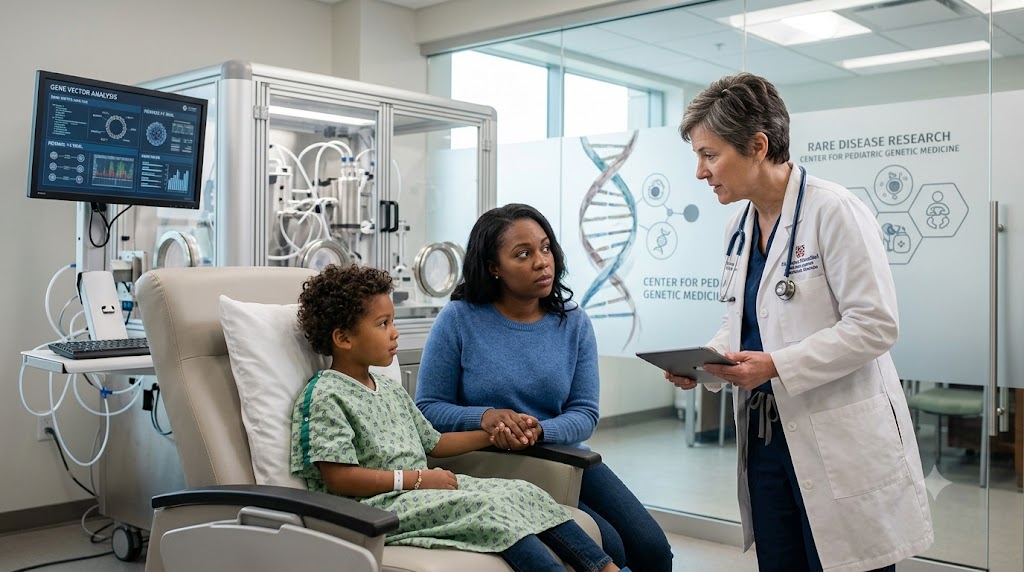
New Treatment Targets Rare Childhood Disease
The U.S. Food and Drug Administration has approved Fayuvi, a new gene therapy for pediatric patients with Sanfilippo syndrome type A, also known as mucopolysaccharidosis type IIIA (MPS IIIA).
The FDA announced the approval on September 17, describing Fayuvi as the first approved treatment for children with MPS IIIA. The rare inherited disease progressively damages the brain and nervous system and can cause the loss of cognitive, language and other developmental abilities.
One-Time Gene Therapy
Fayuvi is administered as a single intravenous infusion. The treatment uses a modified, non-infectious adeno-associated virus to deliver a working copy of the SGSH gene into cells.
The goal is to help the body produce sulfamidase, an enzyme that is deficient in people with MPS IIIA. This allows the body to break down heparan sulfate and reduce its buildup in cells and the brain.
Clinical Study Supported Approval
The FDA said its decision was based on an open-label, single-arm, multicenter clinical study involving pediatric patients. Researchers evaluated changes in cognitive scores among children ages 2 to 5.
According to the agency, children treated with Fayuvi maintained or improved cognitive function compared with an untreated historical control group.
The treatment also carries important safety considerations. Reported adverse reactions included elevated liver enzymes, nausea, vomiting, fever and changes in blood-cell counts. The FDA also included a warning about thrombotic microangiopathy, along with potential long-term risks associated with AAV-based gene therapies.
The approval represents a new development in pediatric gene therapy and rare-disease treatment, offering families affected by Sanfilippo syndrome type A a treatment specifically designed to address the underlying disease process.

Comments (0)
Sign in to join the conversation.