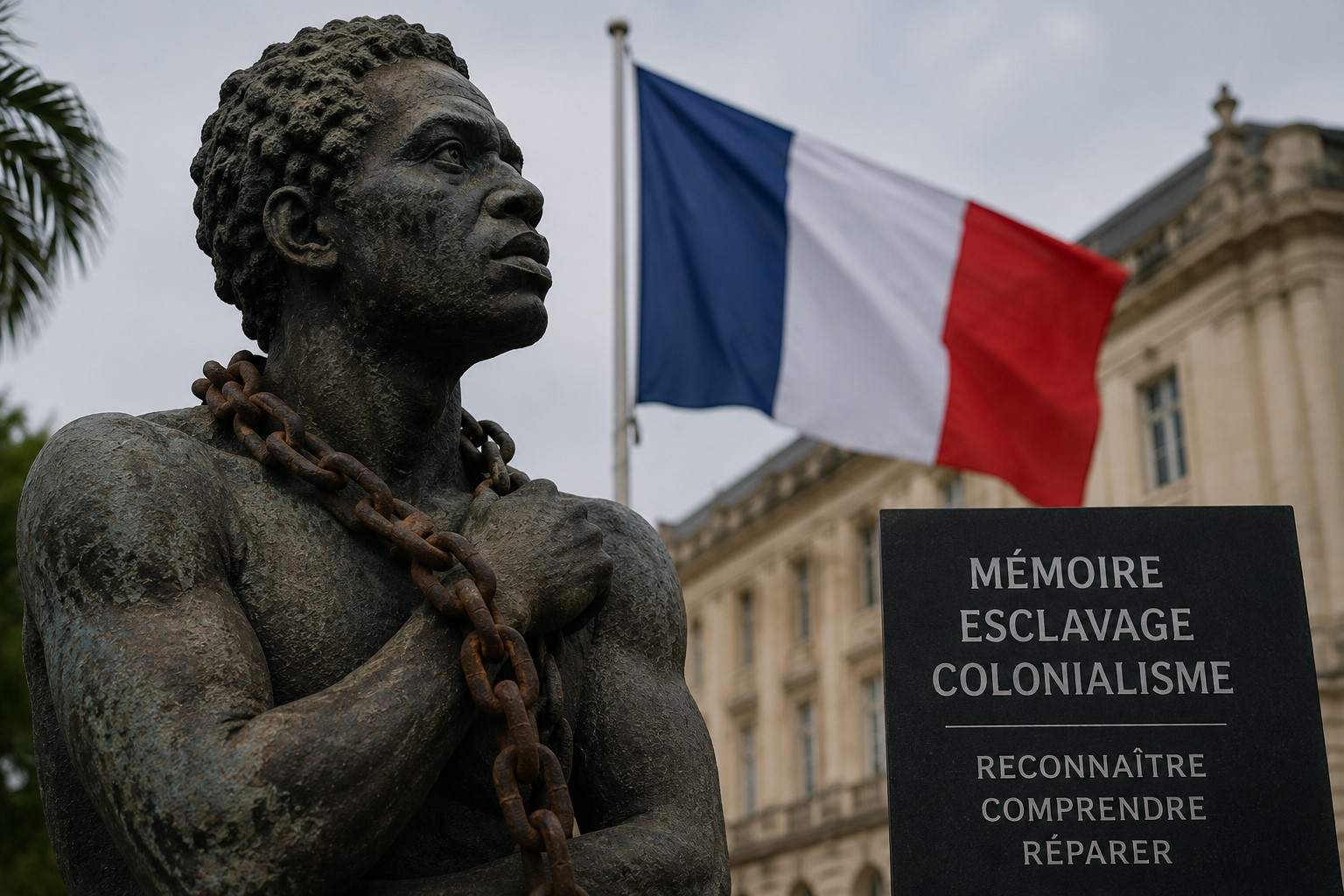
France has taken another symbolic step in confronting its historical role in the transatlantic slave trade, but campaigners argue that recognition alone is not enough. Growing voices from the French Caribbean are urging the government to move beyond gestures and address the lasting economic, social and health inequalities that continue to affect communities today.
Recent efforts to acknowledge slavery as a crime against humanity and remove outdated colonial-era legislation have been welcomed by many observers. However, critics say the deeper consequences of slavery remain visible across territories such as Guadeloupe and Martinique.
One of the most controversial issues is the long-term impact of environmental pollution linked to agricultural practices. Residents continue to face concerns over public health, economic inequality and limited opportunities, with many arguing that these challenges are rooted in historical systems established during the colonial period.
Supporters of reparative justice believe that meaningful progress requires investment, economic reform and stronger commitments to tackling structural inequalities. They argue that while symbolic recognition is important, lasting change will depend on addressing the real-world consequences still affecting generations of Caribbean citizens.
As debates over historical responsibility continue across Europe, France faces increasing pressure to demonstrate how acknowledgment of the past can translate into practical action for the future.



Comments (0)
Sign in to join the conversation.