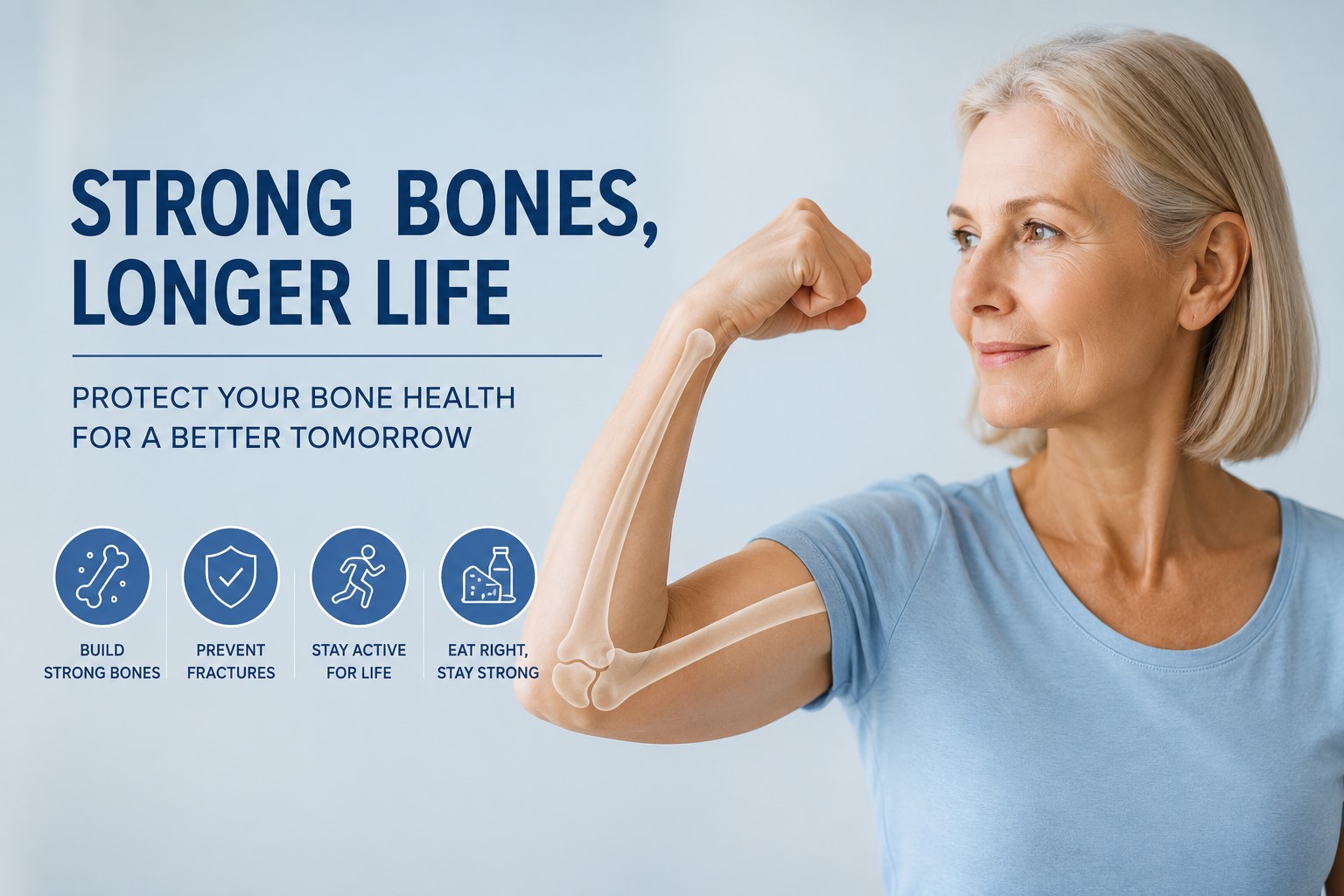
Maintaining strong and healthy bones is one of the most important factors in preserving mobility, independence, and overall quality of life as we age. Experts warn that poor bone health can have serious consequences, particularly for older adults.
Richard Abel, Associate Professor in Musculoskeletal Sciences at Imperial College London, stresses the importance of protecting bone health throughout life. He notes that hip fractures can be especially devastating, with many patients experiencing significant declines in mobility and independence. In some cases, serious fractures can lead to long-term care needs and increased health risks.
According to NHS figures, osteoporosis affects more than three million people across the UK. The condition weakens bones by reducing bone mineral density, making them more vulnerable to fractures from relatively minor incidents such as falls or everyday activities.
The risk becomes increasingly significant with age. Health data suggests that around half of women over the age of 50 and approximately one-third of men over 60 will experience a low-trauma fracture at some point. These fractures can occur from simple accidents that would not normally cause injury in healthy bones.
Women who have gone through menopause face an even greater risk. The decline in estrogen levels following menopause accelerates bone loss, increasing the likelihood of osteoporosis, fractures, reduced mobility, poor balance, and loss of height over time.
Recent research published in the journal Menopause highlighted the broader health impact of osteoporosis, finding that the condition may significantly increase the risk of short-term mortality among affected women. The findings underscore the importance of early prevention, regular health screenings, and lifestyle measures designed to strengthen bones.
Experts recommend maintaining a balanced diet rich in calcium and vitamin D, engaging in regular weight-bearing exercise, avoiding smoking, limiting excessive alcohol consumption, and seeking medical advice when risk factors for osteoporosis are present.
As life expectancy continues to rise, protecting bone health is increasingly viewed as a key component of healthy aging, helping people remain active, independent, and resilient throughout later life.
Comments (0)
Sign in to join the conversation.