Trump’s Latest Insult Offers Insight Into His Political Style and Public Persona
Donald Trump has long been known for his distinctive and often controversial use of nicknames, labels, and personal attacks against political opponents, critics, and members of the media. Over the years, these remarks have become a defining feature of his public communication style, offering insight into how he responds to challenges and shapes political narratives.
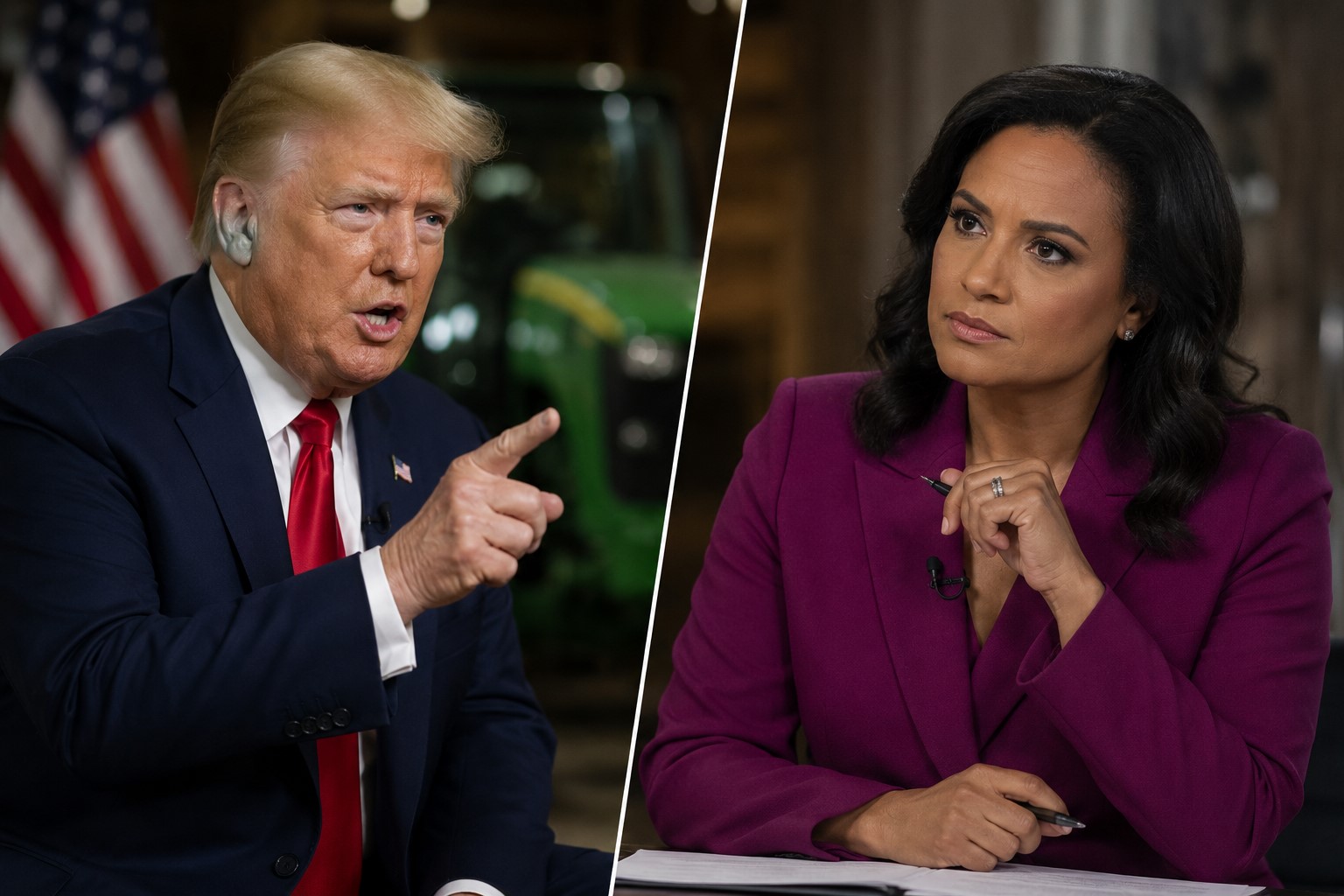
A recent interview with NBC’s Meet the Press moderator Kristen Welker has renewed discussion about Trump’s rhetorical approach after a tense exchange that quickly gained attention online.
The interview initially followed a familiar format, covering topics such as the economy, foreign policy, and recent political developments. Tensions rose, however, when the discussion turned to election integrity and claims regarding voting irregularities. Welker pressed Trump for evidence supporting his assertions, asking follow-up questions that reflected standard journalistic practice.
As the questioning continued, Trump became visibly frustrated and eventually ended the interview abruptly. The moment quickly spread across social media, drawing attention not only because of the sudden conclusion but also because viewers witnessed an unusually direct display of the president’s irritation during a televised exchange.
Observers noted how the interaction highlighted a recurring aspect of Trump’s communication style: his tendency to respond to criticism or skepticism with personal attacks and dismissive language. During the exchange, Trump criticized both Welker and NBC News while rejecting further questioning on the topic.
What particularly stood out to commentators was Trump’s use of the term “darling” when addressing Welker near the end of the interview. The remark contrasted sharply with the confrontational tone that had dominated the conversation moments earlier.
Some political analysts interpreted the comment as an attempt to reassert control over the exchange after an emotional confrontation. Rather than functioning as a conciliatory gesture, they argue, the term carried a dismissive undertone intended to diminish the significance of Welker’s questioning.
The incident has sparked broader discussions about Trump’s long-standing approach to journalists, particularly women in the media. Critics argue that his language often seeks to undermine credibility through personal characterization rather than direct engagement with questions or criticism.
Supporters, meanwhile, view Trump’s style as a reflection of his willingness to challenge traditional political norms and confront media organizations he believes are unfairly hostile to him.
Regardless of perspective, the exchange illustrates how language remains one of Trump’s most powerful political tools. His remarks frequently generate headlines, shape public debate, and influence perceptions of both himself and his opponents.
Comments (0)
Sign in to join the conversation.