Tehran Says No Agreement Finalised Despite Trump’s Claims of Imminent Iran Deal
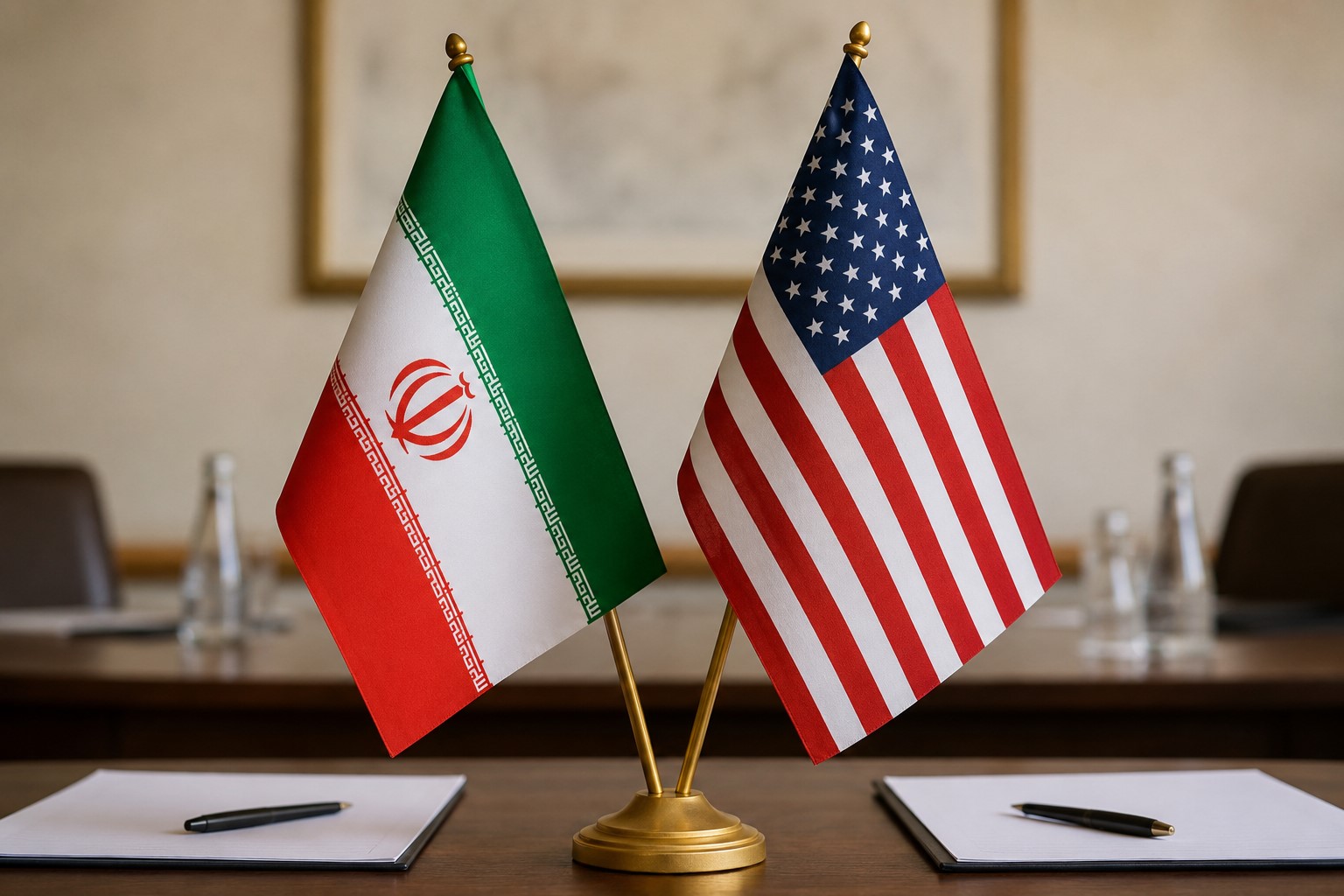
Iran has rejected suggestions that a final agreement has been reached to end its ongoing conflict with the United States, pushing back against US President Donald Trump’s latest assertion that a deal is close to being signed.
Speaking to reporters on Thursday, Trump said negotiations with Tehran had resulted in a “great settlement” and indicated that an agreement was nearing completion. He claimed the deal was awaiting finalisation of documents, which he expected to be completed within days, and suggested a signing ceremony could take place in Europe.
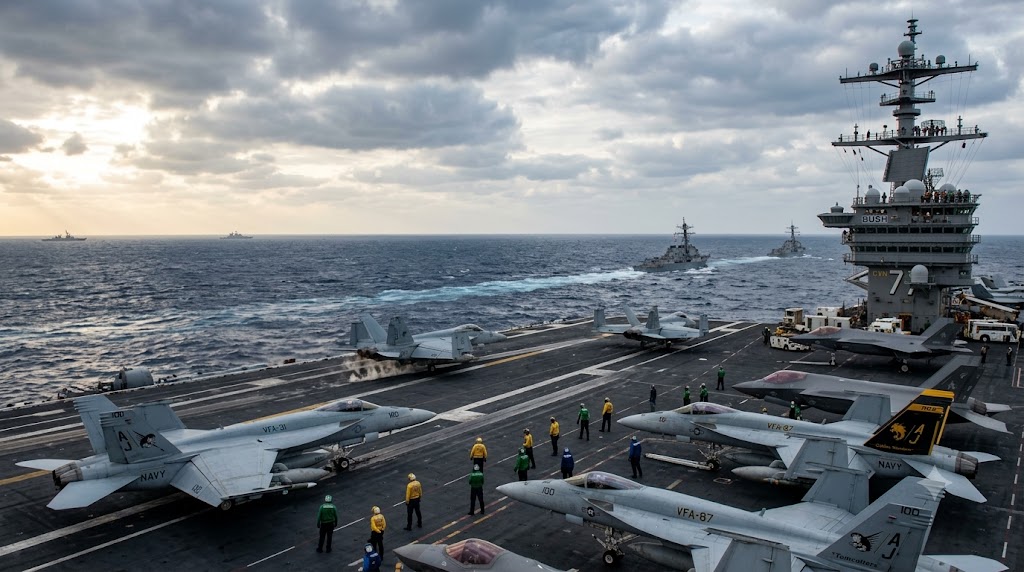
The US president also said he had cancelled planned military strikes against Iran after negotiators made significant progress, despite earlier warning that Washington would strike the country “very hard” if necessary.
However, Iran’s Foreign Ministry spokesperson Esmail Baghaei dismissed reports of a completed agreement, describing them as speculative. He stressed that “nothing has been finalised” and said key issues remained unresolved between the two sides.
Baghaei acknowledged that much of the draft memorandum had already been agreed upon but accused Washington of introducing new demands during negotiations. He reiterated that Tehran would not compromise on its core positions, often referred to as its “red lines.”
The latest exchange comes amid months of heightened tensions following large-scale US and Israeli strikes on Iran on February 28. Tehran responded with attacks targeting Israel and US-aligned countries in the Gulf region, while also disrupting traffic through the Strait of Hormuz, a vital route for global oil and liquefied natural gas shipments.
Although a ceasefire was reached in April, sporadic clashes have continued, including recent rounds of retaliatory strikes between the US and Iran. At the same time, diplomatic efforts aimed at securing a broader agreement have remained ongoing.
Trump said the proposed deal would guarantee that Iran never acquires a nuclear weapon, describing the outcome as a major achievement. He also suggested that the Strait of Hormuz could fully reopen once the agreement is signed.
Following his remarks, global oil markets reacted positively. Brent crude prices fell by more than 4%, dropping to around $89 per barrel as investors anticipated reduced geopolitical risks in the Middle East.
Trump said he had discussed the negotiations with regional leaders, including Israeli Prime Minister Benjamin Netanyahu, and claimed that countries across the Middle East supported the emerging agreement.
Israel later confirmed the conversation but clarified that it was not a party to the proposed memorandum of understanding. Netanyahu’s office said Israel welcomed efforts to secure a final deal that would include restrictions on Iran’s nuclear programme, limits on missile production, and an end to Tehran’s support for armed proxy groups across the region.
The White House has been pressing for a swift resolution to negotiations, which aim not only to end the conflict but also to address concerns surrounding Iran’s nuclear activities and maritime security in the Strait of Hormuz.
Comments (0)
Sign in to join the conversation.